EstellarAcademy
    HomeCoursesAcademicsResultsLearning CentresGalleryTestimonialsAlumniAboutBlog
    EstellarAcademy

    Goa's premier IT-powered coaching institute for JEE, NEET, and competitive exams. Transforming ambition into achievement since 2019.

    +91 77966 57176 / 81info@estellaredutech.com
    409, Ambrosia Corporate Park, EDC Complex, Patto, Panjim, Goa – 403001

    Quick Links

    • About Us
    • Courses
    • Results
    • Admissions

    Courses

    • JEE Mains & Advanced
    • NEET / Medical
    • Foundation & Olympiads
    • Goa Boards

    Resources

    • Gallery
    • Testimonials
    • Alumni
    • Learning Centres
    • Contact Us

    © 2026 Estellar Academy (Estellar Edutech LLP). All rights reserved.

    Explore Programs

    Master Your Dream Career

    Comprehensive courses for JEE, NEET & Foundation programs designed by expert faculty with proven results.

    Explore Our Academy

    Discover what makes Estellar special

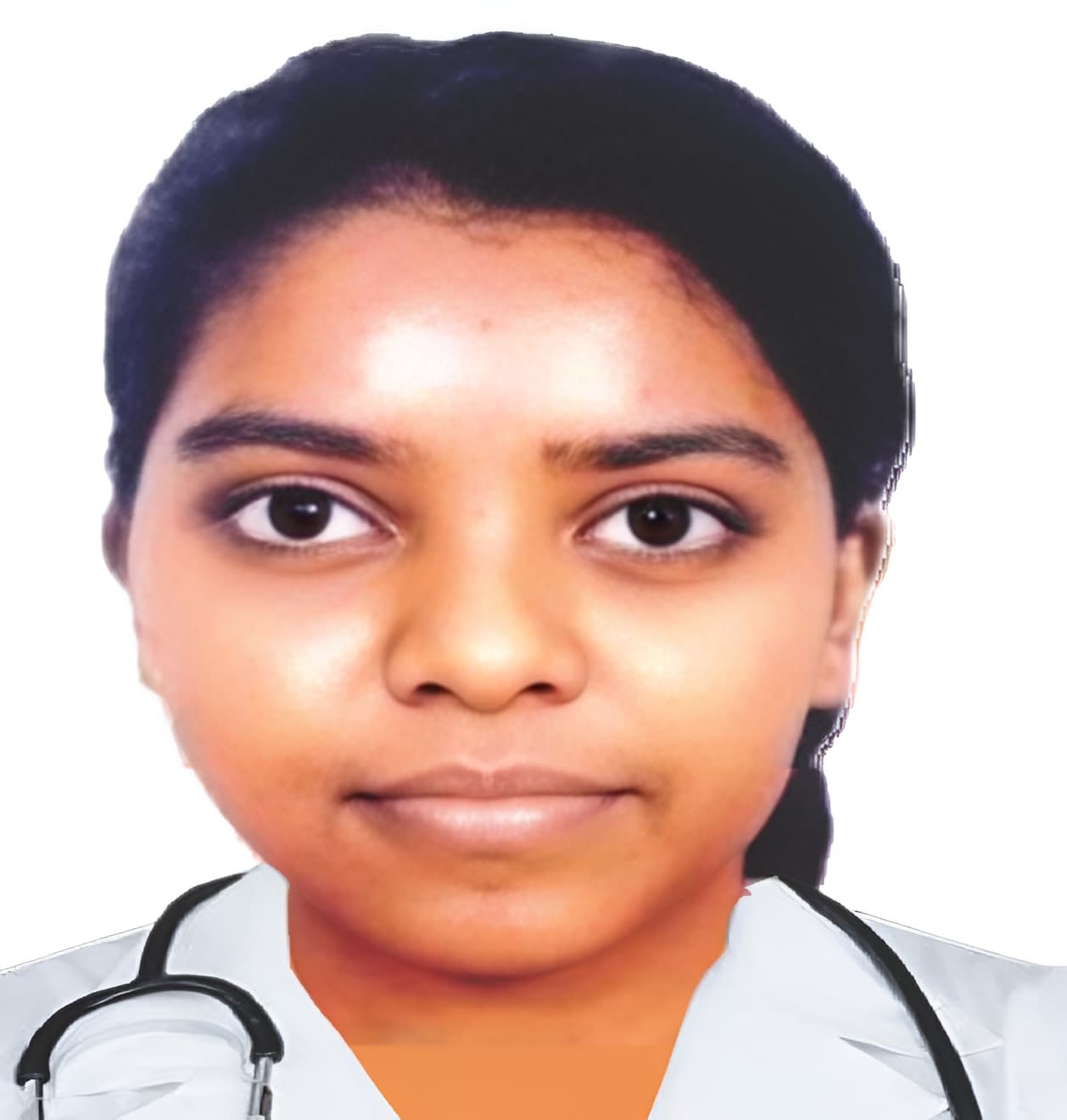
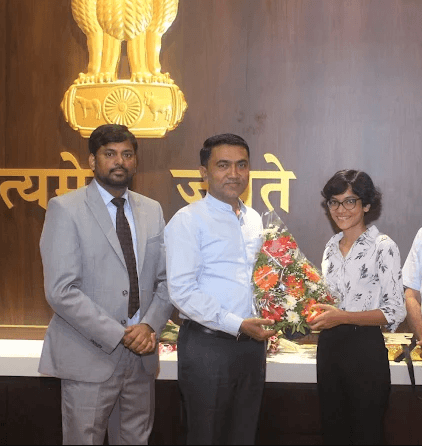
    Felicitation of XII HSSC State Topper Vaishnavi Potekar by Hon. CM Dr. Pramod Sawant

    Felicitation of XII HSSC State Topper Vaishnavi Potekar by Hon. CM Dr. Pramod Sawant

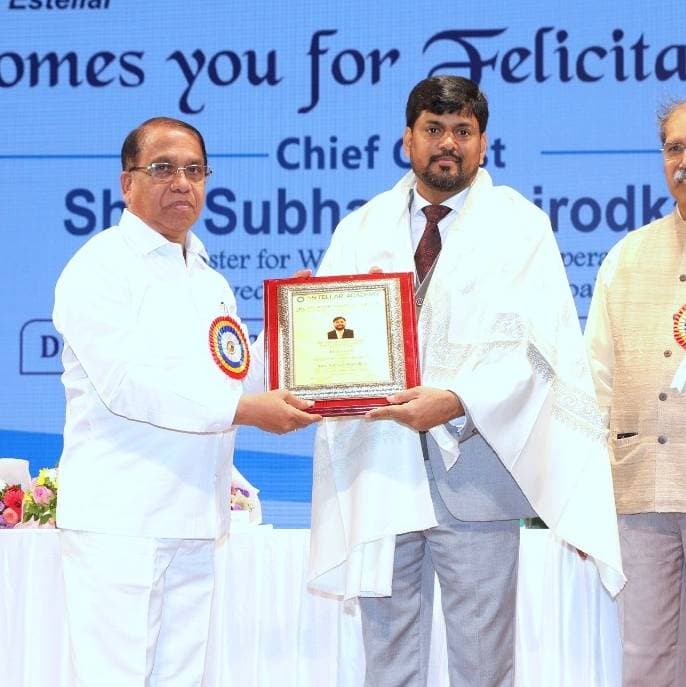
    Director Sir getting felicitated by Hon'ble Cabinet Minister, Govt of Goa Shri Subhash Shirodkar ji.
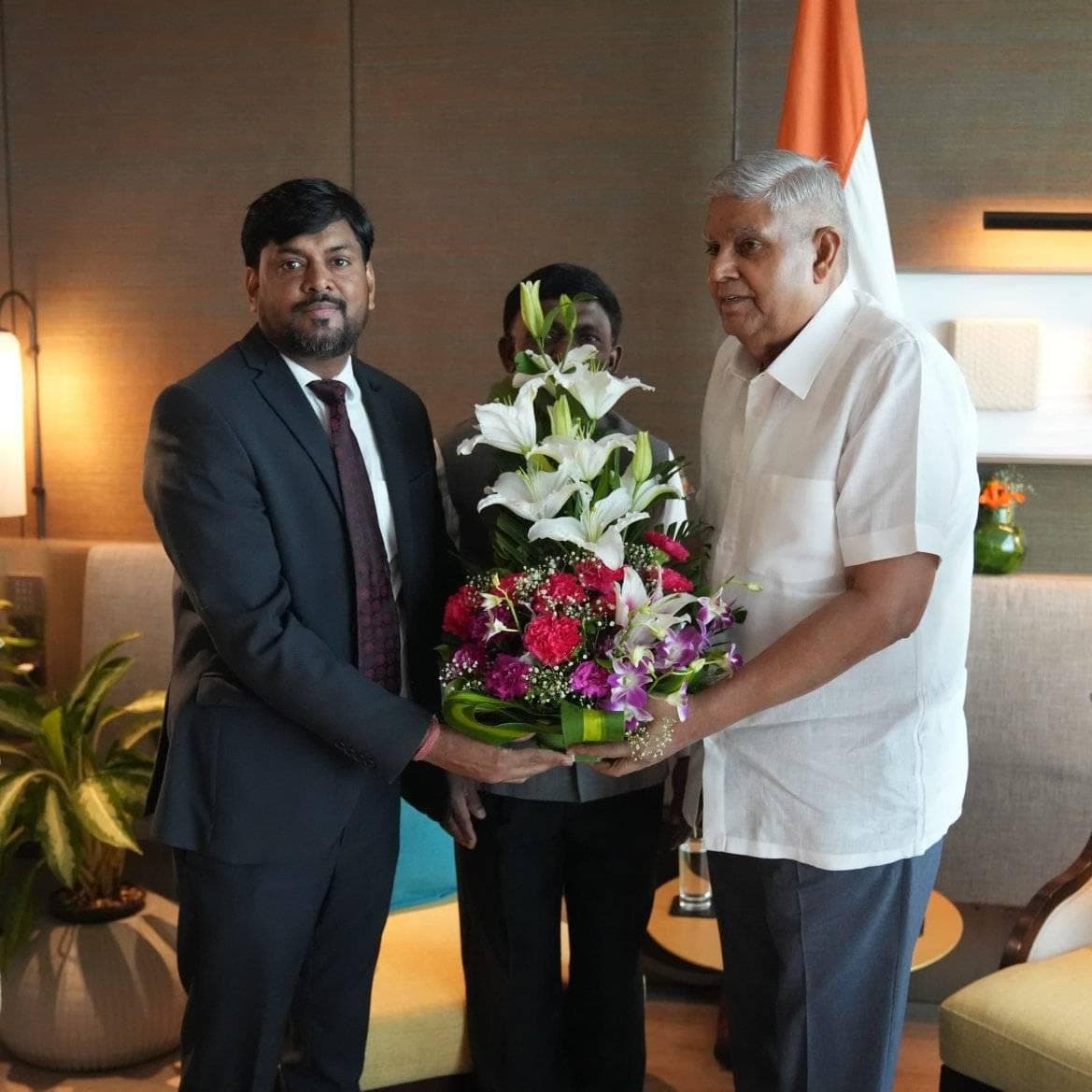
    Director Sir with Hon. Vice President Shri Jagdeep Dhankar ji
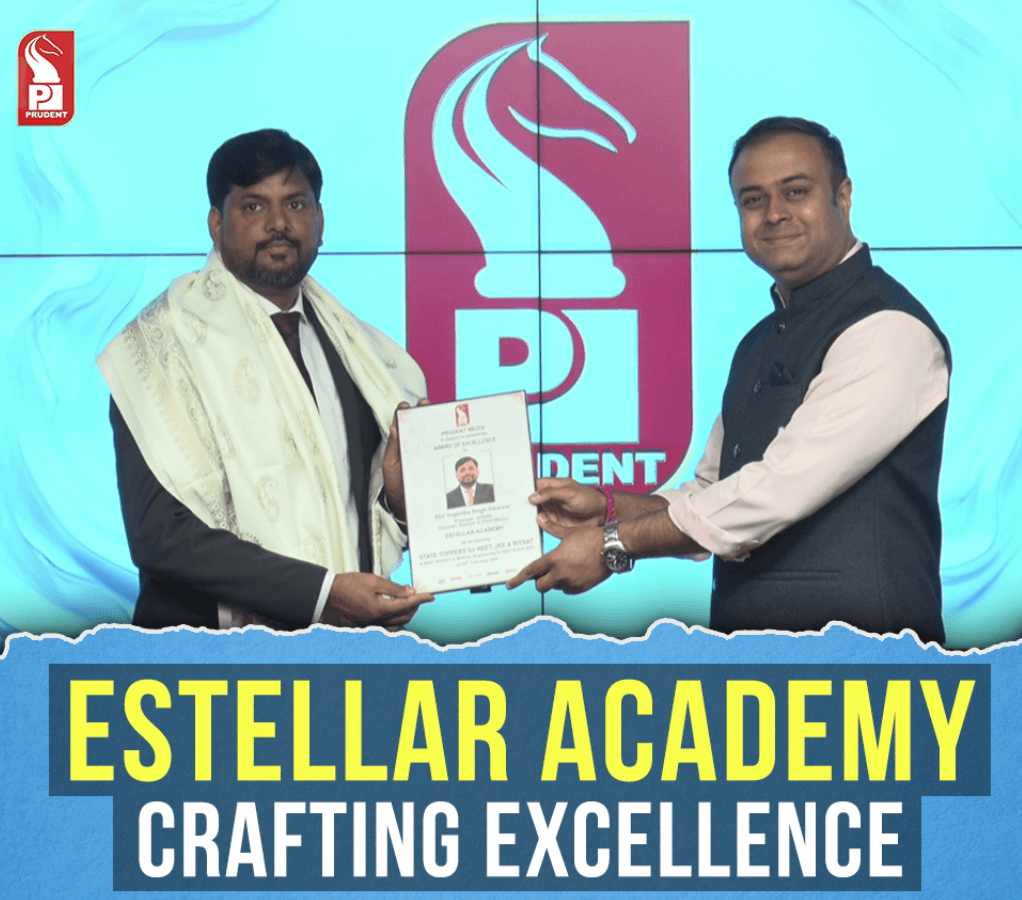
    Director Sir receiving Award for Excellence in Education from Prudent Media Channel
    What We Offer

    Programs Designed for Excellence

    Two distinct pathways designed for your success in competitive examinations

    School + Competitive Prep

    ESIP: Estellar School Integrated Program

    Prepares students for JEE, NEET, AIIMS, Olympiads within the school schedule. No compromise on sports & activities.

    Engineering (PCM)Medical (PCB)Foundation
    Explore
    Coaching Batches
    Class VIII - X

    Foundation

    Curie, Ramanujan & Tesla batches for school exams, olympiads & competitive preparation.

    View Batches
    Class XI - XII

    Engineering (JEE)

    Newton & Einstein batches for JEE Main & Advanced, BITSAT, and Board Exams.

    View Batches
    Class XI - XII+

    Medical (NEET)

    Darwin, Aristotle & Phoenix batches for NEET and other medical entrance exams.

    View Batches
    View All Programs
    Why Estellar?

    The Estellar Advantage

    We combine proven teaching methods with modern technology to deliver exceptional results

    Result-Oriented Teaching

    Focused curriculum designed to maximize scores in competitive exams

    Comprehensive Study Material

    Well-researched content covering entire syllabus with practice tests

    Expert Faculty

    Experienced teachers with proven track records in competitive coaching

    Proven Track Record

    State toppers and high percentile achievers year after year

    Our Pride

    State Toppers & Achievers

    Excellence is a tradition at Estellar. Meet our outstanding achievers.

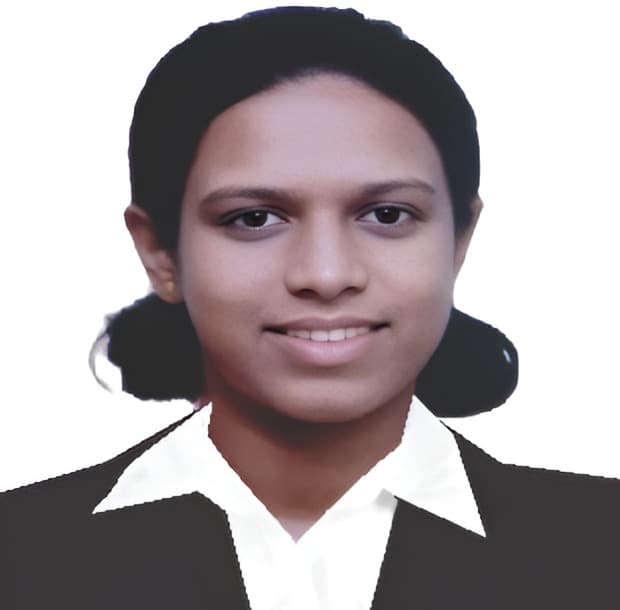
    Abhida Barretto

    Abhida Barretto

    NEET

    GOA STATE TOPPER
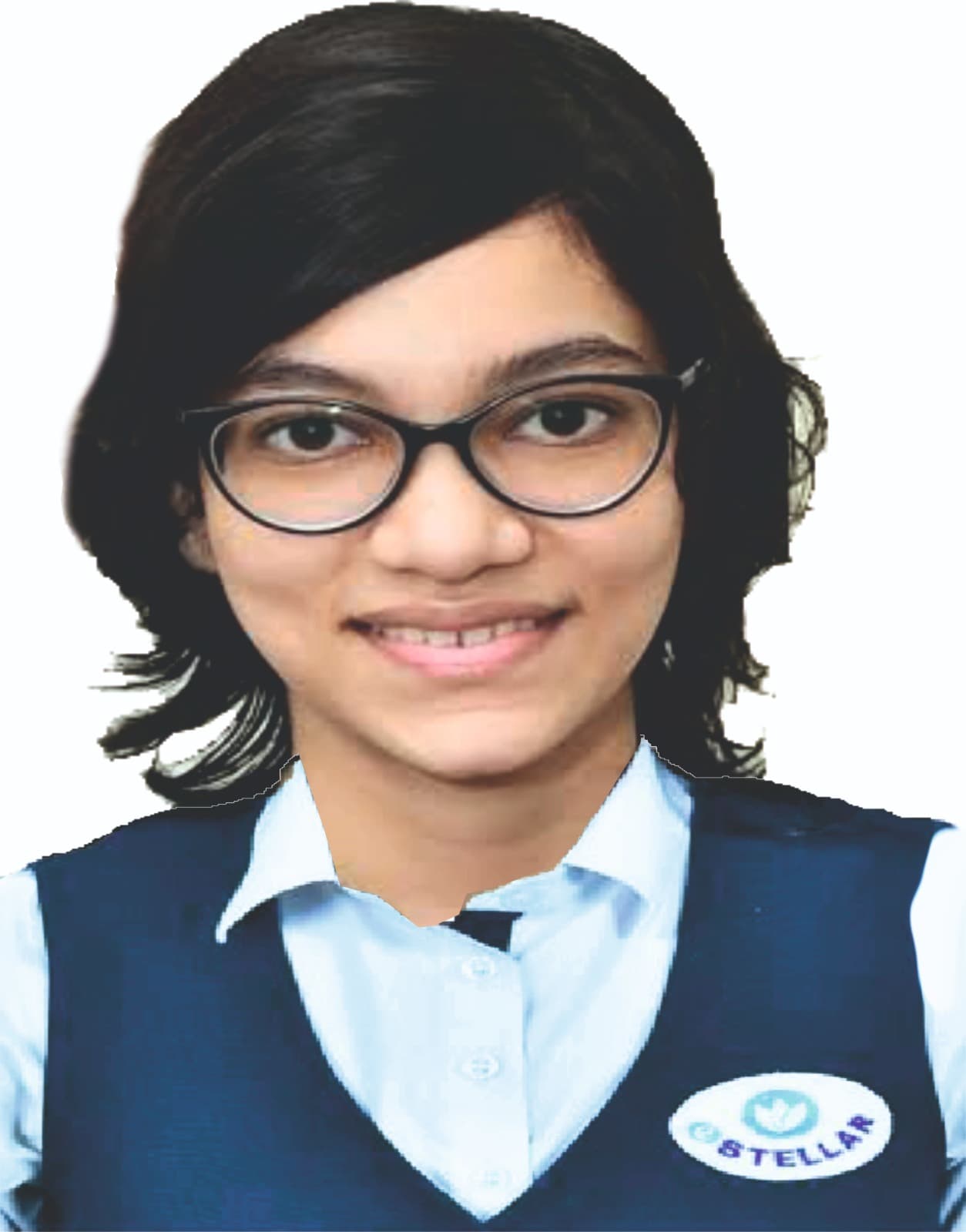
    Khushi Kadoli

    Khushi Kadoli

    GOA TALENT SEARCH EXAM

    GOA STATE TOPPER
    Sumukh S Phalgaonkar

    Sumukh S Phalgaonkar

    GOA BOARD HSSC

    GOA STATE TOPPER
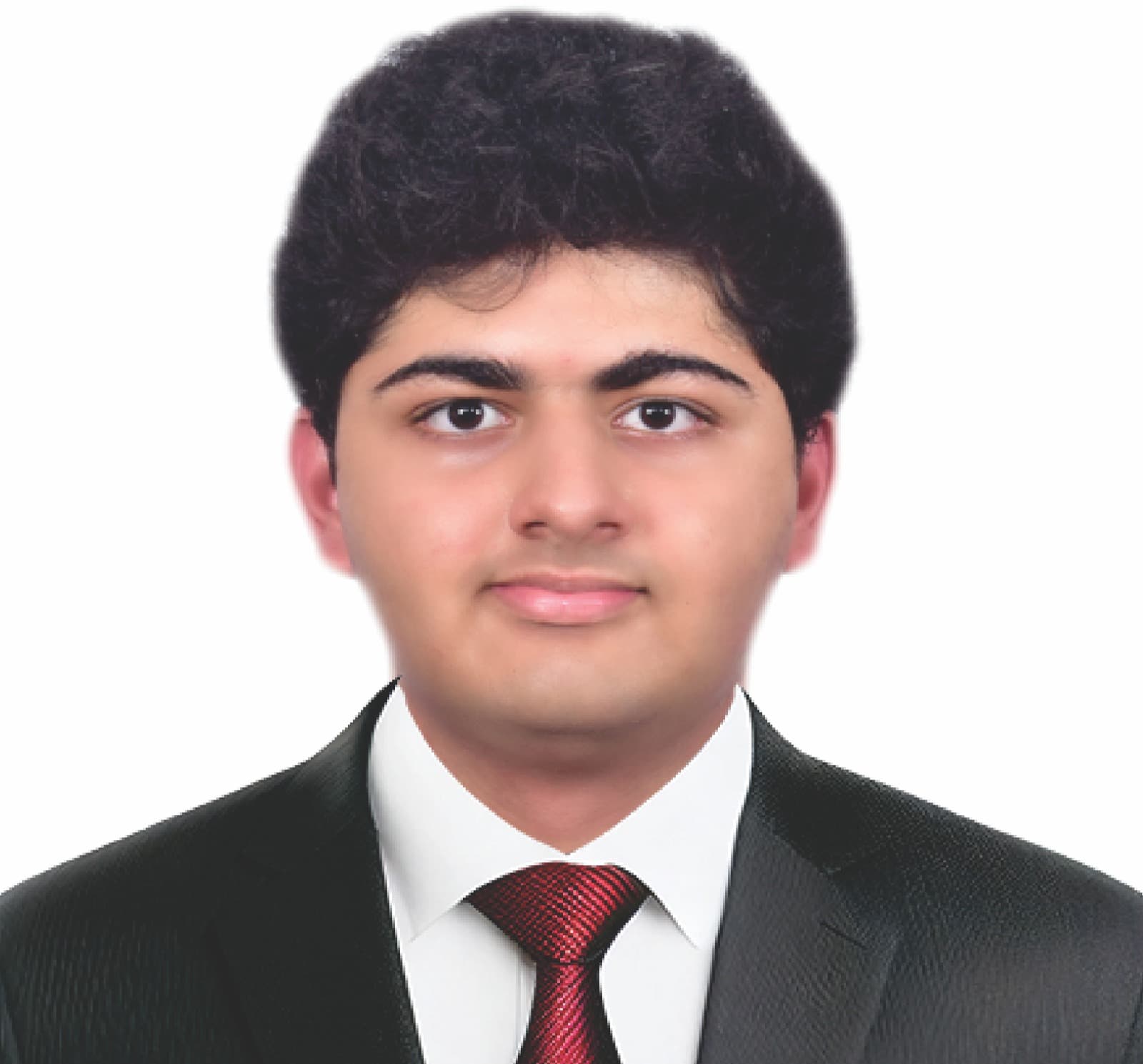
    Anant Kerur

    Anant Kerur

    ISI

    39th ALL INDIA RANK
    Vaishnavi Potekar

    Vaishnavi Potekar

    GOA BOARD HSSC

    GOA STATE TOPPER
    Alaya D'cruz

    Alaya D'cruz

    BITSAT

    GOA STATE TOPPER
    Supash Chodankar

    Supash Chodankar

    JEE MAIN

    GOA STATE TOPPER
    Aakash Kamat

    Aakash Kamat

    CBSE BOARD HSSC

    GOA STATE TOPPER
    Sakshi Hangargekar

    Sakshi Hangargekar

    NTSE STAGE 1

    GOA STATE TOPPER
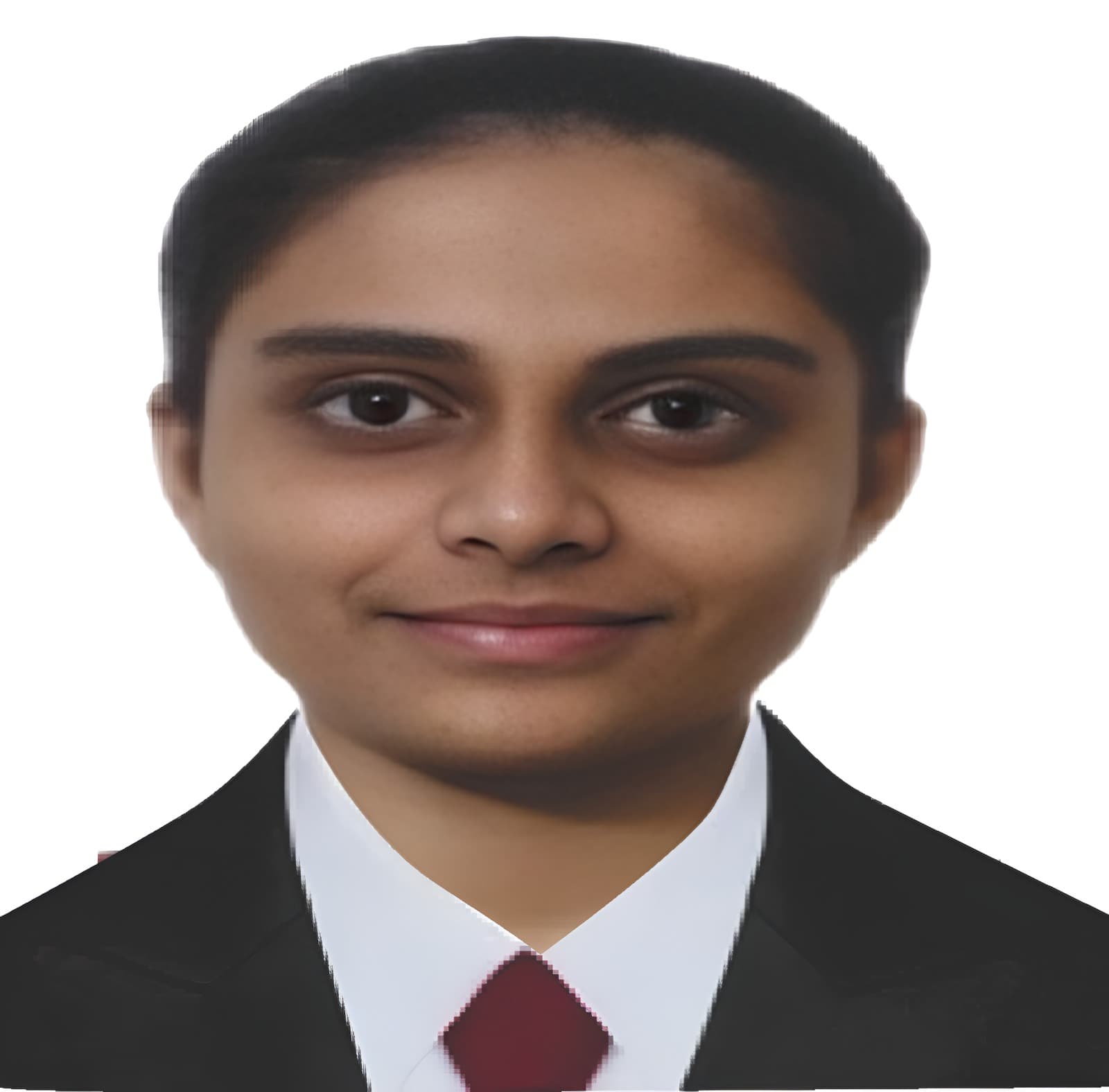
    Tarun Kumar

    Tarun Kumar

    NEET

    GOA STATE TOPPER
    Abhida Barretto

    Abhida Barretto

    NEET

    GOA STATE TOPPER
    Khushi Kadoli

    Khushi Kadoli

    GOA TALENT SEARCH EXAM

    GOA STATE TOPPER
    Sumukh S Phalgaonkar

    Sumukh S Phalgaonkar

    GOA BOARD HSSC

    GOA STATE TOPPER
    Anant Kerur

    Anant Kerur

    ISI

    39th ALL INDIA RANK
    Vaishnavi Potekar

    Vaishnavi Potekar

    GOA BOARD HSSC

    GOA STATE TOPPER
    Alaya D'cruz

    Alaya D'cruz

    BITSAT

    GOA STATE TOPPER
    Supash Chodankar

    Supash Chodankar

    JEE MAIN

    GOA STATE TOPPER
    Aakash Kamat

    Aakash Kamat

    CBSE BOARD HSSC

    GOA STATE TOPPER
    Sakshi Hangargekar

    Sakshi Hangargekar

    NTSE STAGE 1

    GOA STATE TOPPER
    Tarun Kumar

    Tarun Kumar

    NEET

    GOA STATE TOPPER
    Abhida Barretto

    Abhida Barretto

    NEET

    GOA STATE TOPPER
    Khushi Kadoli

    Khushi Kadoli

    GOA TALENT SEARCH EXAM

    GOA STATE TOPPER
    Sumukh S Phalgaonkar

    Sumukh S Phalgaonkar

    GOA BOARD HSSC

    GOA STATE TOPPER
    Anant Kerur

    Anant Kerur

    ISI

    39th ALL INDIA RANK
    Vaishnavi Potekar

    Vaishnavi Potekar

    GOA BOARD HSSC

    GOA STATE TOPPER
    Alaya D'cruz

    Alaya D'cruz

    BITSAT

    GOA STATE TOPPER
    Supash Chodankar

    Supash Chodankar

    JEE MAIN

    GOA STATE TOPPER
    Aakash Kamat

    Aakash Kamat

    CBSE BOARD HSSC

    GOA STATE TOPPER
    Sakshi Hangargekar

    Sakshi Hangargekar

    NTSE STAGE 1

    GOA STATE TOPPER
    Tarun Kumar

    Tarun Kumar

    NEET

    GOA STATE TOPPER

    Discover how our students achieved extraordinary results

    Prudent Media Award of Excellence

    Recognized for producing state toppers and exceptional results in JEE/NEET

    Our Locations

    Learning Centres Across Goa

    Strategically located centres for easy access to quality education

    Margao Centre

    Near Volkswagen Showroom, Arlem

    +91 77966 57176

    Porvorim Centre

    Behind Chodankar Hospital, Coqueiro Circle

    +91 77966 57181

    Vasco Centre

    2nd Floor, St Pelagia Building, Fr José Vaz Rd, Vaddem

    +91 77966 57160

    Ponda Centre

    Ground Floor, Heritage Princes Building, Opp. A.J. De Almeida School

    +91 77966 57176
    Latest Updates

    Resources & Insights

    Stay updated with our latest announcements, study notes, and frequently asked questions.

    View All Posts
    NEET Strategy for Goa Students: A Complete Roadmap to Medical College
    May 9, 2026

    NEET Strategy for Goa Students: A Complete Roadmap to Medical College

    Every year, thousands of Goa's aspiring doctors sit for the National Eligibility cum Entrance Test — the single gateway to every MBBS and BDS seat in India. And every year, a significant number of them underperform — not because medicine is the wrong dream, but because their preparation was built on incomplete information, late starts, and strategies borrowed from students in very different circumstances. This article is a complete, honest roadmap for NEET preparation — written specifically for students in Goa, their parents, and their teachers. Whether you are in Class IX mapping out the years ahead, in Class XI already on the journey, or in Class XII in the final sprint, there is something here for you. First, Understand What NEET Actually Is NEET-UG (Undergraduate) is conducted by the National Testing Agency and is the sole entrance examination for admission to MBBS, BDS, BAMS, BHMS, BVSc, and other medical and allied health courses at all government and private medical colleges across India — including AIIMS and JIPMER, which were integrated into the NEET framework. The examination tests Biology (Botany + Zoology), Physics, and Chemistry at the Class XI–XII level. The total marks are 720 (180 questions × 4 marks each, with a –1 penalty for incorrect answers). The exam duration is 3 hours and 20 minutes. The marks distribution: Subject Questions Maximum Marks Physics 45 180 Chemistry 45 180 Botany 45 180 Zoology 45 180 Total 180 720 What score do you actually need? This is where most students — and parents — have significantly inaccurate assumptions. For a government MBBS seat in a top institution, you need 650+ out of 720. For a government medical college in Goa or another state, 550–600 is typically the competitive range. For a private MBBS seat, the threshold is lower but the economics are very different. Understanding your target score early shapes your entire preparation strategy. Goa's NEET landscape: Goa has the Goa Medical College (GMC) in Panaji, which is the premier government medical institution in the state. Seats are limited and competition from the state's own students — as well as All-India quota competition — is intense. A student from Goa aiming for GMC needs to be prepared to compete at a national level, not just a state level. The Awareness Gap: Why Goa Students Start Late In states like Andhra Pradesh, Tamil Nadu, Karnataka, and Maharashtra, NEET awareness reaches students in Class VIII or IX. Parents in these states begin researching coaching options years before Class XI. The preparation culture is deeply embedded. In Goa, the situation has historically been different. The state's relatively small student population, its tourism-driven economy, and its school ecosystem — which is genuinely strong in many respects — have not traditionally produced the kind of NEET preparation infrastructure that other states take for granted. As recently as a decade ago, a Goan student serious about medicine had two choices: relocate to Pune, Hyderabad, or Kota, or prepare with whatever local resources were available and hope for the best. The consequences of this awareness gap are specific and measurable: Students begin NEET-focused preparation in Class XII instead of Class XI, losing an irreplaceable year of foundational learning. They focus heavily on the Class XII portion of the syllabus and neglect Class XI chapters — which account for approximately 45–50% of the NEET paper. They do not take mock tests seriously until 2–3 months before the exam, denying themselves the diagnostic feedback that separates good ranks from great ones. The good news: this gap is closable. It requires starting at the right time, choosing the right guidance, and understanding the preparation framework laid out in this article. Biology: The Heart of NEET Biology carries 360 out of 720 marks — exactly half the paper. No other subject comes close. A student who masters Biology and maintains reasonable competence in Physics and Chemistry will clear NEET comfortably. A student who neglects Biology in favour of Physics and Chemistry will struggle regardless of their scores in those subjects. This sounds obvious. Yet every year, students — particularly those with a strong Physics and Chemistry background — underestimate the depth of Biology preparation that NEET demands. NCERT is the Foundation — and the Ceiling for Most Questions For NEET Biology, NCERT is not just a starting point — it is the primary text. The NTA has, over multiple years, demonstrated a clear pattern of setting questions directly from NCERT content: specific lines, diagrams, and even captions from NCERT Biology (Class XI and XII). Students who have read their NCERT Biology textbooks deeply and repeatedly — not skimmed, but genuinely understood and memorised — will answer 80–85% of Biology questions correctly from that source alone. This does not mean NCERT is sufficient for a top-100 rank. It means NCERT is necessary and that abandoning it for other reference books before NCERT mastery is a tactical error. The right NCERT approach: Read the chapter once for understanding. Read it a second time underlining important lines. On the third reading, cover the text and attempt to recall key facts from memory. The third reading is where genuine retention happens. Class XI vs. Class XII Biology: Don't Neglect Either Class XI Biology covers: Diversity in Living World, Structural Organisation in Plants and Animals, Cell Structure and Function, Plant Physiology, and Human Physiology. Class XII Biology covers: Reproduction, Genetics and Evolution, Biology in Human Welfare, Biotechnology, and Ecology. Both halves contribute roughly equally to the NEET Biology paper. Students who reach Class XII having not fully prepared their Class XI Biology are carrying a deficit that is very difficult to recover. Plant Physiology, Cell Biology, and Human Physiology (Class XI) are consistently high-weightage areas in NEET — and they require time to understand, not just memorise. High-Priority Biology Chapters for NEET Based on consistent NEET question patterns over the past several years, these chapters deserve maximum preparation time: Class XI: Human Physiology (Digestion, Breathing, Body Fluids, Excretion, Neural Control, Locomotion), Cell: Structure and Functions, Photosynthesis, Respiration in Plants, Morphology of Flowering Plants. Class XII: Genetics and Mendelian Inheritance, Molecular Basis of Inheritance (DNA Replication, Transcription, Translation), Human Reproduction, Reproductive Health, Biotechnology (Principles and Applications), Evolution, Ecosystem, Biodiversity and Conservation. Physics in NEET: The Most Common Stumbling Block Physics is the subject that most NEET aspirants find most challenging — and the one where the gap between strong and weak students is most visible. For students who have taken Biology as their primary interest subject, Physics can feel like an obstacle rather than an opportunity. The strategic reality: you do not need to master Physics at JEE level for NEET. NEET Physics is tested at a conceptual and moderate numerical level. A thorough command of Class XI and XII Physics — focusing on understanding concepts and solving standard NCERT-level numericals — is sufficient to score 130–150 out of 180 in Physics, which is a very competitive Physics score in NEET. Where students go wrong in NEET Physics is attempting to either over-prepare (pursuing JEE-level problem solving that is not required) or under-prepare (treating Physics as a subject to "get through" rather than understand). Both extremes hurt. Priority Topics for NEET Physics Class XI: Laws of Motion and Friction, Work, Energy and Power, Rotational Motion, Gravitation, Properties of Bulk Matter (especially Fluid Mechanics), Thermodynamics. Class XII: Electrostatics (Electric Field, Potential, Capacitance), Current Electricity, Magnetic Effects of Current, Electromagnetic Induction, Optics (Ray and Wave), Dual Nature of Radiation, Atoms and Nuclei. The numerical mindset: Every NEET Physics numerical can be solved with a clear understanding of the concept and a standard formula. There are no derivation-heavy or multi-step algorithmic problems in NEET Physics of the type seen in JEE. If you are spending more than 3–4 minutes on a NEET Physics numerical, you are either using the wrong approach or the concept is not yet clear. Chemistry in NEET: The Score-Maximiser NEET Chemistry, like JEE Chemistry, rewards consistent, methodical students disproportionately. It is the most predictable of the three subjects — the question patterns are well-established, the NCERT alignment is high, and there is no subject in NEET where hard work maps more directly to marks. Physical Chemistry Thermodynamics, Chemical Equilibrium, Ionic Equilibrium, Electrochemistry, and Chemical Kinetics form the backbone of NEET Physical Chemistry. These topics are numerical-heavy and require the same clarity of concept as Physics. Mole concept (Class XI) is the absolute foundation — a student who is shaky on mole concept will struggle with stoichiometry, concentration terms, and electrochemistry calculations throughout their preparation. Organic Chemistry NEET Organic Chemistry tests mechanism understanding and reaction outcomes at a moderate level. The key insight: in NEET Organic, you are almost always being asked to apply a principle, not recall an obscure reaction. Students who understand why reactions happen — electron density, nucleophilicity, acidity trends, resonance — will answer Organic questions more reliably than students who have memorised lists of reactions without understanding the underlying logic. General Organic Chemistry (GOC) is the most important chapter in Organic Chemistry. Time invested in GOC pays dividends across every subsequent Organic topic. Inorganic Chemistry Inorganic Chemistry is the most NCERT-dependent section of the paper. P-block elements, d & f-block elements, coordination compounds, and chemical bonding — these chapters must be prepared directly from NCERT, with careful attention to properties, reactions, and exceptions that NCERT explicitly mentions. A common mistake is using reference books for Inorganic Chemistry before the NCERT content is fully absorbed. The Year-by-Year Preparation Roadmap Class IX–X: Building the Foundation The students who perform best in NEET are almost never the ones who began memorising Biology facts in Class IX. They are the ones who built strong conceptual foundations in Science and Mathematics at the board level and developed the habit of careful, curious study. At this stage, the most productive investments are: strong NCERT Science (Class IX–X), basic Biology curiosity (reading about human physiology, genetics, ecology beyond the textbook), and Olympiad participation (NSO, NSEB — National Standard Examination in Biology — is excellent preparation for NEET-level Biology rigour). A student who clears NTSE or ranks in the NSEB at the Class X level almost invariably has the academic foundation needed to excel in NEET. Class XI: The Non-Negotiable Year If there is one message in this entire article that deserves to be read twice, it is this: Class XI is the most important year of your NEET preparation, and most students who underperform in NEET can trace the root cause to how they spent Class XI. Class XI introduces the foundational chapters of all three subjects. The entire Class XI syllabus carries approximately 45–50% of NEET marks. A student who completes Class XI with a genuine command of this content arrives in Class XII having already done half the work. A student who treats Class XI casually arrives in Class XII with two years of material to cover in one year — a recipe for a mediocre outcome. The Class XI priority: Attend every lecture. Solve Daily Practice Problems (DPPs) regularly. Appear sincerely for every phase test. Do not wait until April to review what was taught in August. Target by end of Class XI: Complete and revise the entire Class XI portion. Attempt at least one All-India level mock NEET. Identify your weakest chapters and have a plan to address them in Class XII. Class XII: Completion, Integration, and Execution Class XII preparation has three distinct phases: Phase 1 — Completion (April to September): Finish the Class XII syllabus across all three subjects. Continue regular testing. Begin first revision of Class XI topics. Phase 2 — Integration (October to January): Full syllabus revision. Fortnightly full-length mock tests (all 180 questions, timed). Detailed error analysis after every mock. Board exam preparation runs parallel — in NEET, board preparation and NEET preparation are substantially aligned for Biology and Chemistry. Phase 3 — Final Push (February to May): Targeted revision of weak areas. High-frequency mock tests (at least one per week). NCERT Biology re-read for the final time. Focus on speed and accuracy, not new material. The Mock Test Mistake Most Students Make Across all the students we have mentored at Estellar, one pattern distinguishes the top scorers from the rest more than any other: how they use mock tests. Most students treat mock tests as performance evaluations — they take the test, note their score, feel good or bad about it, and move on. Top scorers treat mock tests as diagnostic tools. For them, the two hours after the test are as important as the three hours and twenty minutes of the test itself. After every mock test, a serious NEET aspirant should: Categorise every wrong answer into one of three types — conceptual error (the concept was unclear), silly mistake (the concept was clear but the execution was careless), or time management error (ran out of time before reaching the question). For conceptual errors, go back to the source — NCERT, class notes, or your mentor — and resolve the gap before the next test. For silly mistakes, identify the pattern (e.g., sign errors in Physics, confusion between similar-looking Biology terms) and create a personal checklist. For time management errors, adjust your exam strategy in the next mock. A student who takes 40 mocks in this disciplined manner is better prepared than a student who takes 80 mocks and simply logs the score. National benchmarking matters. One of the most valuable outcomes of a rigorous All-India test series is knowing where you stand relative to NEET aspirants across the country. A score that seems good within a local batch may be average at the national level — and knowing this in October is far more useful than discovering it in the NEET result. Managing the Board Exam and NEET Together For Class XII students, the relationship between board exams and NEET is a source of genuine stress. The boards (GSEB or CBSE) typically occur in February–March. NEET occurs in May. There are roughly eight weeks between them. The strategic reality: NEET preparation is broader and deeper than board preparation in every subject. A student who is genuinely prepared for NEET — who has command of their NCERT content, can answer numerical problems, and has attempted multiple full-length mocks — will perform well in their board exams without significant additional board-specific preparation. The reverse is not true. A student who has only prepared for the board format (short-answer, long-answer, project-based) is not prepared for the MCQ-based, time-pressured, penalty-for-wrong-answer format of NEET. The practical advice: keep board exam preparation integrated with your NEET revision, rather than treating them as separate tracks. The two or three weeks immediately before boards can be used for board-specific formatting and previous-year board paper practice. Do not sacrifice NEET preparation momentum for an extended board-specific detour. Goa's NEET Toppers: The Common Thread Estellar Academy has had the privilege of mentoring students who have gone on to become Goa's state toppers in NEET. Abhida Barretto and Tarun Kumar, both Goa NEET State Toppers, represent what is possible for Goa's students when preparation is systematic, mentorship is strong, and the student's commitment is genuine. What these students had in common was not unusual intelligence. What they shared was an early start (Class XI, not Class XII), a respect for the process (attending classes, completing DPPs, reviewing tests seriously), and a support system — both at home and at their coaching centre — that helped them stay consistent through the difficult phases. Neither of them relocated outside Goa. Neither of them missed their childhood years to an impersonal hostel room. They prepared in their own cities, with their families, guided by faculty who knew them as individuals — and they outranked students from across the country. This is not an accident. It is a model. --- How Estellar Prepares NEET Aspirants When Estellar Academy was established, one of the foundational commitments was to bring NEET preparation infrastructure to Goa that was competitive with the best in the country. That commitment has shaped every aspect of how we prepare medical aspirants. Faculty. Our Biology, Physics, and Chemistry faculty are experienced competitive exam educators, including IITians, NITians, and PhD scholars who have taught in the leading coaching institutes of Kota. The depth of subject knowledge and exam-pattern familiarity they bring to the classroom is the bedrock of Estellar's academic outcomes. CBTReady™ All-India Test Series. Every Estellar student has access to a national-level test series that provides real benchmarking against NEET aspirants across India. Our test analysis sessions, conducted after every phase test, ensure that students extract maximum learning from every examination they attempt. The ESIP model. Our Estellar School Integrated Program synchronises NEET preparation with the school curriculum, ensuring that students preparing for NEET through ESIP never face the conflict between board preparation and competitive exam preparation that causes so much stress for Class XII students in traditional coaching setups. Darwin and Aristotle batches. Our two-year (Darwin) and one-year (Aristotle) classroom programs for NEET are designed around the exam's specific demands — NCERT-anchored Biology instruction, conceptual Physics, and methodical Chemistry — with a rigorous testing schedule that prepares students for the exam's format as much as its content. Four centres across Goa. Our learning centres in Margao, Porvorim, Vasco, and Ponda ensure that quality NEET preparation is accessible to students across the state, without the disruption and expense of relocating outside Goa. --- A Direct Message to Parents Your child wants to become a doctor. That is a serious, demanding, deeply worthwhile aspiration — and the journey to get there through NEET is equally serious and demanding. Here is what will help most: Understand the timeline. NEET preparation is a two-year commitment from Class XI. A student who starts in Class XII is running a race from 500 metres behind the starting line. If your child is in Class IX or X right now, the best gift you can give them is helping them understand what lies ahead and starting at the right time. Do not compare your child's NEET rank to their friend's board marks. These are fundamentally different measures. A student who scores 85% in their board exams is not automatically on track for a competitive NEET score. Board performance and NEET performance are correlated but distinct — and NEET demands preparation that goes well beyond what boards test. Trust the process. There will be phases — often in Class XI, often around November–December — where your child's mock test scores seem discouraging. This is normal. It is the feedback phase of preparation, not a final verdict. The students who persist through this phase with the support of good mentors and stable home environments are the ones who perform on exam day. --- Getting Started: Your Next Step If you are a Class IX or X student, visit one of our centres for a counselling session. We will help you understand the NEET journey, identify the foundational areas to focus on now, and give you a realistic roadmap for the years ahead. If you are a Class XI student, there is no week to waste. The Darwin batch is designed precisely for students at your stage. Every week of serious Class XI preparation is an investment in a Class XII that is manageable rather than overwhelming. If you are a Class XII student, the NEET exam is months away. The Aristotle batch provides the structured, full-syllabus preparation that Class XII students need — including integrated board preparation, full-length mocks, and the mentorship to navigate this high-stakes period effectively. If you are a dropper or a student appearing for NEET a second or third time, the Phoenix batch is designed for you. Repeating NEET is not failure — it is the determination to achieve a goal that matters. Many of India's finest doctors passed NEET on their second or third attempt. Goa has everything it needs to produce extraordinary doctors. The awareness, the coaching infrastructure, the mentorship, and the track record are all here. The question is simply whether you are ready to commit to the journey. We are ready to walk it with you. Yogendra Singh Sikarwar (B.Tech, Computer Engineering, NIT Jaipur) is the Founder, Director, and Chief Mentor of Estellar Academy. He has over 18 years of experience in competitive exam coaching. Estellar Academy | Margao · Porvorim · Vasco · Ponda | www.estellaracademy.ac.in

    Read more
    How ESIP Works: The Smarter Way to Prepare for JEE and NEET Without Leaving School
    May 9, 2026

    How ESIP Works: The Smarter Way to Prepare for JEE and NEET Without Leaving School

    There is a question that comes up in almost every parent counselling session at Estellar: "My child wants to become a doctor / engineer. They are in Class IX / X / XI. What is the right way to prepare for NEET / JEE without disrupting their schooling?" It is the right question to ask. And for years, the honest answer was that there was no fully satisfying solution. Students either attended school and a separate coaching centre on conflicting schedules — exhausted, stressed, and covering the same topics twice at different paces — or they relocated to Kota or Pune, sacrificing their school years, their family environment, and their extracurricular development in pursuit of a competitive exam rank. The Estellar School Integrated Program — ESIP — was designed to make both of those compromises unnecessary. This article explains exactly how ESIP works: the problem it was built to solve, the structure that makes it effective, and why integration between school and competitive exam preparation is not just a convenience — it is academically superior to the alternative. --- The Problem ESIP Solves To understand why ESIP matters, you first need to understand the specific problem that traditional school + coaching combinations create. The Topic Mismatch Problem In a conventional setup, a student attends school where the teacher covers topics in the order dictated by the school's academic calendar. The same student attends a coaching institute in the evenings or on weekends where a different teacher covers topics in the order dictated by the coaching centre's curriculum. These two sequences almost never align. The result: a student is learning about Electrostatics at school while their coaching centre is teaching Rotational Mechanics. They are studying Organic Chemistry reactions in class while their coaching batch is covering Thermodynamics. There is no reinforcement, no coherent narrative — only two parallel, competing curricula running simultaneously through the same student's brain. This is not a minor inconvenience. It is a structural problem that quietly undermines learning quality. When a concept is taught in isolation — without the reinforcement of seeing it applied in multiple contexts — it takes root shallowly. When the same concept is taught at school and immediately applied in depth at the coaching centre, or vice versa, it consolidates far more effectively. The Time Shortage Problem A Class XI or XII student in a conventional school + coaching arrangement is attempting to do the following simultaneously: attend school from 7:30 AM to 1:30 PM, travel to a coaching centre, attend 3–4 hours of coaching, complete school homework, complete coaching DPPs (Daily Practice Problems), prepare for school tests, prepare for coaching phase tests, and find time to sleep adequately and exercise. The mathematics simply do not work. Something gives — and what usually gives first is sleep, then self-study, then physical activity. Students in this arrangement are chronically fatigued, and chronic fatigue is the enemy of the deep, focused thinking that JEE and NEET demand. The Attempt Limitation Problem This is perhaps the least understood but most consequential structural problem in competitive exam preparation today. JEE Advanced allows a maximum of two attempts. NEET allows a maximum of three attempts. These limits exist to ensure that the examination remains a measure of current academic ability rather than accumulated familiarity with the exam format. The implication: a student who begins serious competitive exam preparation only in Class XII — which is the single most common starting point in Goa — has already effectively used the most valuable part of their preparation window without productive output. They have one genuine shot (Class XII attempt + one repeat year, at most) to achieve their target rank. A student who begins integrated preparation in Class IX or X arrives at their Class XII board year with two to three years of competitive exam foundation already built. Their first NEET or JEE attempt is not a trial run — it is a fully loaded, well-prepared attempt. The Stress and Confidence Problem When school performance and coaching performance are on separate tracks, students constantly experience the dissonance of performing differently in two contexts. A student who is doing well in coaching tests but poorly in school exams (or vice versa) develops an inconsistent self-image — confident in one context, anxious in another. This emotional inconsistency has real academic consequences. Integration eliminates this dissonance. When school preparation and competitive exam preparation are unified, a student's performance across both contexts is coherent and mutually reinforcing. What ESIP Is: The Core Concept ESIP — the Estellar School Integrated Program — is a structured program that synchronises competitive exam preparation (JEE, NEET, AIIMS, BITSAT, Olympiads, IISER, ISI, STSE, and others) with the student's existing school curriculum and schedule. The key word is synchronised. ESIP does not replace school. It does not create a parallel academic universe. It is designed to run in harmony with the school's teaching sequence, so that what a student learns in school is reinforced and deepened at Estellar — and what is taught at Estellar is timed to match what the school is covering. The result is a single, coherent academic experience rather than two competing ones. How ESIP Is Structured Curriculum Synchronisation The foundational mechanism of ESIP is curriculum mapping. At the beginning of each academic session, the ESIP academic team maps the school's syllabus timeline — obtained from the school — against the competitive exam preparation sequence. Topics are then taught at Estellar in coordination with when the student encounters them at school. This means that when a student is studying Newton's Laws in their school Physics class, the ESIP Physics curriculum is simultaneously taking Newton's Laws to the depth that JEE or NEET demands — applications, edge cases, multi-concept problems, and previous year JEE/NEET questions on that topic. The school teacher introduces the concept. The ESIP session deepens it, extends it, and stress-tests it. The student processes the same concept twice, in different depths, within the same week. This is how deep learning actually works. Single Comprehensive Study Material ESIP students receive a single, integrated study material package that covers both the board syllabus and the competitive exam syllabus for each subject. This eliminates the burden of maintaining multiple sets of notes and textbooks for different purposes. The material is designed after extensive research and is updated to reflect current competitive exam patterns. It includes theory sections, solved examples at different difficulty levels, and DPPs (Daily Practice Problems) with faculty feedback. ESIP students do not need additional reference books — the material is comprehensive by design. This matters more than it might seem. One of the most significant time-drains in conventional preparation is the constant management of multiple books, multiple sets of notes, and multiple content sources. Consolidating this into a single system returns hours of productive study time to the student every week. Phase-Based Structure The ESIP program is divided into carefully structured phases, each with specific learning objectives and culminating in a Phase Test. Each phase covers a defined portion of the syllabus across all subjects. Phase Tests are conducted at the end of each phase and are designed in the pattern of JEE Main / NEET, giving students continuous exposure to the actual exam format throughout their preparation — not just in the final months. After every Phase Test, an Analysis Session is conducted. This is not a routine marks-review meeting. It is a structured session where faculty help students identify conceptual gaps, error patterns, and areas requiring additional work. The analysis session transforms the test from an evaluation event into a learning event. Daily Practice Problems (DPPs) Every ESIP student receives subject-wise DPP sheets aligned to the topics being covered that week. DPPs serve two functions simultaneously: they reinforce the concepts taught in class through immediate application, and they build the problem-solving speed and stamina that JEE and NEET require. A distinguishing feature of Estellar's DPP system is faculty feedback. DPP completion is not treated as a passive homework exercise — faculty review student responses and provide targeted feedback on error patterns. This makes the DPP system a genuine feedback loop rather than an exercise in paper-filling. Rank Booster Program (RBP) The Rank Booster Program is a dedicated 180-hour intensive module built into the ESIP structure. It is designed to push prepared students from a competitive score to a top-rank score — addressing the gap between knowing the syllabus and performing optimally under exam conditions. The RBP focuses on high-difficulty problems, multi-concept integration, time management under pressure, and the specific problem types that determine top-percentile performance in JEE and NEET. It is not an acceleration of the regular curriculum — it is a distinct, strategically positioned layer of preparation designed for the final phase of the journey. Class Learning Improvement Program (CLIP) CLIP is Estellar's structured mechanism for identifying students who need additional support and providing it systematically. It operates within the ESIP framework to ensure that no student quietly falls behind without intervention. The CLIP process is not remedial in the conventional sense — it is preventive. By tracking DPP performance, Phase Test scores, and class participation patterns, the ESIP academic team identifies early warning signs that a student is struggling with specific topics or losing overall momentum. CLIP then provides targeted additional instruction and support before the gap becomes a deficit. Home Assignments During School Holidays Long school holidays — Diwali break, Christmas break, summer vacation — represent some of the most valuable preparation time in the academic calendar. Most students in conventional setups use this time unproductively, returning to school in January having forgotten significant portions of what they studied in September. ESIP includes structured Home Assignment packages for every major school holiday period. These assignments are designed to maintain revision momentum, complete portions of the syllabus that benefit from extended study time, and ensure that returning students are refreshed rather than rusty. Regular Parent-Teacher Meetings (PTMs) ESIP includes four structured Parent-Teacher Meetings per academic year, in addition to periodic informal communication between the ESIP mentor and parents. Each student is assigned a mentor who tracks their academic progress, emotional wellbeing, and preparation quality holistically. The PTM format at Estellar is not a report-card reading. It is a strategic conversation: where the student currently stands relative to their target, what the specific areas of focus are for the next phase, and what the parent can do at home to support the process. Parents leave each PTM with a clear, actionable picture of their child's preparation status. What ESIP Does Not Compromise A common concern when parents first hear about ESIP is whether the additional academic load will come at the cost of things that matter beyond marks: sports, extracurricular activities, friendships, and the general experience of being a teenager. The answer is no — and this is by design, not by accident. The reason conventional coaching creates these trade-offs is precisely because it is not integrated. A student attending school from 7:30 AM to 1:30 PM and coaching from 4 PM to 8 PM has no time left for anything else. The total academic hours are excessive because the two systems are not coordinating — they are doubling up. ESIP, by synchronising the two curricula, eliminates the duplication. The student is not covering the same topic twice — they are covering it once, at depth. The total time investment is not the sum of school hours plus coaching hours. It is a more efficient use of the same available hours. This efficiency is what creates space for sport, art, music, friendships, and the experiences that shape character alongside academic performance. Students in ESIP do not have to choose between their competitive exam dreams and their childhood. That trade-off is a function of an inefficient preparation structure — not an inevitable feature of serious ambition. Who ESIP Is For ESIP is designed for students from Class VIII through Class XII who are targeting JEE, NEET, or other competitive examinations, and who are currently attending school in Goa. Class VIII–X students benefit most from the foundation-building and Olympiad preparation aspects of ESIP. At this stage, the competitive exam preparation is not yet at full intensity — but the habits of mind, the depth of conceptual understanding, and the familiarity with exam-pattern thinking that ESIP develops are exactly what determines Class XI and XII outcomes. Class XI students are the core ESIP audience. Class XI is the year when the competitive exam preparation machine needs to be running at full speed — and ESIP provides the structure, synchronisation, and accountability that makes Class XI preparation genuinely productive rather than nominally busy. Class XII students who join ESIP benefit from the integrated board + competitive exam preparation model, the CBTReady™ test series for national benchmarking, and the mentorship structure that helps them navigate the most high-stakes academic year of their lives so far. ESIP is available for both Engineering (JEE track: Physics, Chemistry, Mathematics) and Medical (NEET track: Physics, Chemistry, Biology) streams. The Results That Validate the Model The proof of any educational model lies in its outcomes. ESIP's design philosophy is validated by the results of students who have gone through it. Goa's state toppers in JEE Main, NEET, BITSAT, the GSEB Board, SSTSE and the Goa Talent Search Examination have emerged from Estellar's integrated preparation environment. These are not outliers produced by exceptional individual talent. They are students who, starting from the same foundation as their peers across Goa, achieved extraordinary results because they prepared smarter — with synchronised curricula, rigorous testing, national benchmarking, and consistent mentorship. The question is not whether integrated preparation works. The question is whether your child will benefit from it. A Practical Summary: What to Expect as an ESIP Student If your child enrolls in ESIP, here is what a typical week looks like: They attend their regular school. At their ESIP sessions — scheduled in coordination with school timings — they go deeper into the topics being covered at school that week, solve DPPs, and attend subject-specific competitive exam preparation classes. At home, they complete their DPPs, review Phase Test feedback, and work on Home Assignments when scheduled. Their study material is a single integrated package — no hunting through multiple books or maintaining parallel notes for two different systems. Once a month, they sit for a Phase Test in JEE/NEET format. After the test, they attend an Analysis Session with their faculty mentor. Four times a year, their parents sit with their mentor for a structured review of progress, strategy, and support. Throughout, they remain in Goa. They sleep at home. They play sports, pursue their interests, and grow up — while building the academic foundation that their ambitions require. Getting Started with ESIP ESIP admissions are conducted through a structured counselling and assessment process at each of Estellar's four Goa centres — Margao, Porvorim, Vasco, and Ponda. We begin with a free counselling session where we understand the student's current academic standing, target examination, and school schedule. Following this, an academic assessment helps us place the student in the appropriate ESIP cohort and design a personalised preparation roadmap. If your child is in Class VIII, IX, X, or XI — and is serious about JEE or NEET — there is no better time to explore ESIP than now. The students who achieve their best results do not start on the day before the examination. They start on the day they decide their dream is worth a structured plan. Yogendra Singh Sikarwar (B.Tech, Computer Engineering, NIT Jaipur) is the Founder, Director, and Chief Mentor of Estellar Academy. He has over 18 years of experience in competitive exam coaching. Estellar Academy | Margao · Porvorim · Vasco · Ponda | www.estellaracademy.ac.in

    JEE Preparation for Goa Students: What Nobody Tells You (And How to Get It Right)
    May 9, 2026

    JEE Preparation for Goa Students: What Nobody Tells You (And How to Get It Right)

    Every year, hundreds of Goa's brightest Class XI and XII students sit for the Joint Entrance Examination — and most of them are underprepared. Not because they lack intelligence. Not because they lack ambition. But because they were never told the truth about what JEE actually demands, and how different the preparation landscape in Goa is compared to Kota, Pune, or Hyderabad. This article is for every student in Goa — and every parent — who wants a clear, honest roadmap for JEE success without leaving the state. The Uncomfortable Truth About JEE Awareness in Goa Goa is a small state. Its school ecosystem is excellent in many ways — the GSEB and CBSE schools here produce well-rounded students with strong foundational values. But the state has historically been underserved when it comes to competitive exam coaching infrastructure. Walk into a typical Class X board topper's home in Margao or Ponda, and you'll find that the child — and often the parents — have only a vague sense of what JEE actually is. They know it's "the IIT exam." They may have heard of JEE Main and JEE Advanced as if they were interchangeable (they are not). Very few know the difference between a JEE Main percentile and a JEE Main rank, or why a 94 percentile may still not get you into an NIT. This information vacuum has real consequences. Students start preparing in Class XII — a full year too late. They focus on board exams first and "will do JEE later" — not realising that JEE preparation and board preparation are largely the same thing, done right. And many talented Goan students, after two years of effort with inadequate coaching, conclude that JEE is simply "not for Goan students." It is. It absolutely is. And Goa has the toppers to prove it. What JEE Actually Is: A Quick Clarity Check Before strategy, clarity. Here is what every student and parent must understand: JEE Main is conducted by NTA (National Testing Agency), typically in January and April each year. It qualifies students for NITs, IIITs, and GFTIs and serves as the eligibility test for JEE Advanced. The top roughly 2.5 lakh candidates from JEE Main are eligible to appear for JEE Advanced. JEE Advanced is conducted by the IITs on a rotational basis. It is the gateway exclusively to the IITs (including IIT Bombay, IIT Delhi, IIT Madras, etc.). It is widely regarded as one of the most challenging undergraduate entrance examinations in the world. The scoring nuance: JEE Main reports a percentile score (not a raw score or a percentage). A 99 percentile means you scored better than 99% of all candidates — which in a pool of 14–15 lakh students translates to a rank roughly between 1,4000 and 1,5000. For NIT admission to competitive branches, you typically need a 97+ percentile rank. For IITs, you need to clear JEE Advanced — and then your rank within that determines your branch and college. Understanding this structure is step one. Many students don't have this clarity even in Class XII. The Goa Advantage: Why Preparing Here Is a Strength, Not a Compromise Here is what a Goa-based JEE aspirant actually has going for them, if they are coached correctly: Stability: No hostel adjustment, no homesickness, no disruption to routine. You sleep in your own home, eat home-cooked food, and have the emotional anchors that allow for sustained, long-term study. Board alignment: Goa students appear for the GSEB or CBSE Class XII boards. JEE preparation, done right, covers the Class XII syllabus in far greater depth than board preparation alone. A student who prepares seriously for JEE will secure excellent board marks as a byproduct — not in spite of JEE prep, but because of it. Financial efficiency: Two years of study outside Goa — including accommodation, food, coaching fees, and travel costs significantly more than two years of quality local coaching. That resource difference matters. Goa-specific advantages in the medical and engineering fields. Goa has quota-based reservations in national institutes for state candidates, and several Goa-based engineering and medical institutions where a strong JEE/NEET score opens premium seats. Knowing this landscape — and having mentors who understand it — gives Goa-based students a strategic edge. A student who is coached well, in their own environment, with family support, a stable routine, and familiar surroundings, will almost always outperform a student studying in an unfamiliar city under stress. A Subject-Wise Approach to JEE Preparation JEE tests Physics, Chemistry, and Mathematics. Each subject demands a different approach to preparation. Physics: Concept-First, Calculation Second The most common mistake Goa students make in Physics is treating it as a formula-learning exercise. JEE Physics — particularly JEE Advanced Physics — relentlessly tests conceptual understanding. A student who has memorised every formula in Irodov but cannot visualise a mechanics problem from first principles will struggle. The priority order for JEE Physics: Mechanics → Electrostatics & Magnetism → Modern Physics → Optics → Waves & Thermodynamics. Mechanics forms roughly 30–35% of the JEE Physics paper and is the foundation on which every other topic rests. A student who is weak in Newton's Laws, Work-Energy, or Rotational Motion cannot recover that deficit through other topics. Practical advice: Solve every numerical twice — once with the formula, once from first principles. If you cannot derive the formula you are using, you do not understand the topic well enough for JEE. Chemistry: The Equaliser Subject Chemistry is the subject that separates good JEE ranks from great JEE ranks. It is the most "marks-per-effort" efficient subject in JEE Main, and it rewards consistent, methodical preparation. Physical Chemistry (Thermodynamics, Electrochemistry, Chemical Kinetics, Equilibrium) demands the same rigour as Physics — it is conceptual and numerical. Organic Chemistry demands pattern recognition and mechanism clarity — not rote memorisation, but understanding why reactions proceed as they do. Inorganic Chemistry is the most memory-intensive section and is often neglected until the last few months. This is a mistake. Inorganic Chemistry should be revised lightly but regularly, starting from Class XI itself. Mathematics: Speed and Accuracy Under Pressure JEE Mathematics is not about difficult concepts. Most of what appears in JEE Maths — Calculus, Coordinate Geometry, Algebra, Vectors — is Class XI–XII level content. What makes it hard is the combination of time pressure, multi-step problems, and the penalty of negative marking. The two skills that determine JEE Maths performance are: (1) the ability to identify the right approach quickly, and (2) the discipline to not proceed with a shaky approach just because you've spent two minutes on a problem. Calculus (Differential + Integral + Differential Equations) is the single highest-weightage area in JEE Maths. No student serious about JEE can afford to be weak in this area. A Year-by-Year Roadmap Class IX–X: The Foundation Years This is the best time to build competitive exam awareness and mathematical maturity — not to begin JEE coaching in the traditional sense, but to develop the problem-solving instinct that JEE demands. Students at this stage should focus on NTSE, Olympiads (NSO, IMO, NSE), and ensuring absolute conceptual clarity in Science and Maths at the board level. If your Class X Maths and Science foundation is strong, Class XI JEE preparation will feel like acceleration. If it is weak, Class XI will feel like catching up. Class XI: The Most Important Year This is, without question, the most critical year of JEE preparation — and the most underestimated. The Class XI syllabus contains the majority of JEE's conceptual bedrock: all of Mechanics, most of Physical Chemistry, Organic Chemistry basics, and the foundational chapters of Mathematics (Sets, Relations, Trigonometry, Quadratic Equations, Sequences). Students who take Class XI seriously — attending every lecture, solving DPPs regularly, and appearing sincerely for phase tests — arrive in Class XII with a 70% complete syllabus. Students who treat Class XI casually arrive in Class XII, attempting to learn two years of material in one year. The latter is a losing strategy. Target by end of Class XI: Complete 60–70% of the JEE syllabus. Appear for at least one All-India Test Series mock to benchmark yourself nationally. Class XII: Consolidation and Refinement Class XII is not the time to learn new concepts — it is the time to strengthen, revise, and test. The ideal Class XII schedule runs in three phases: Phase 1 (April–September): Complete remaining syllabus topics (Class XII chapters). Appear for fortnightly tests. Identify weak areas. Phase 2 (October–December): Intensive revision of Class XI topics. Full syllabus mock tests every fortnight. Board preparation integration. Phase 3 (January–March): JEE Main attempt (January session). Board exam preparation. Targeted revision based on January JEE Main performance. April JEE Main attempt. The Topper Pattern: What Goa's JEE/NEET Stars Have in Common At Estellar, we have had the privilege of mentoring students who have gone on to become Goa's state toppers in JEE Main, NEET, BITSAT, and the XII HSSC Board exams. When you study their journeys, certain patterns emerge consistently. They started early. Supash Chodankar, Goa JEE Main State Topper, began his two-year preparation in Class XI without any break in momentum. Alaya D'Cruz, Goa BITSAT State Topper, similarly built her preparation systematically over two years. Anat Kerur: All India Rank 39 in the Indian Statistical Institute (ISI) Exam. They were consistent, not occasional. None of these students had a magical three-month sprint. What they had was a daily habit — attending classes, solving problems, reviewing errors — sustained over 600–700 days. They treated tests as feedback, not verdicts. Every mock test, every phase test, and every DPP score was used as a diagnostic tool. A poor performance was a signal to revise and strengthen, not a reason for despair. They had strong support systems. In every case, the family — parents especially — understood the commitment involved and created an environment where the student could focus. This is not a trivial factor. How Estellar Bridges the Gap When Estellar Academy was founded in Margao in 2019, its explicit mission was to address the JEE/NEET awareness and preparation gap that had historically disadvantaged Goa's students compared with their peers in any other city in India. Several years later, with four learning centres across Goa — in Margao, Porvorim, Vasco, and Ponda — and a track record that includes state toppers in JEE Main, NEET, BITSAT, NTSE, and the GSEB Board, we believe that mission is being fulfilled. What makes Estellar different Faculty from the best coaching systems in India. Our teaching team comprises IITians, NITians, and PhD scholars from leading coaching institutions across India. This is not a marketing claim — it is the core of our academic model. The quality of instruction that was once accessible only by relocating to other states is now available in your city. The ESIP model The Estellar School Integrated Program (ESIP) synchronises competitive exam preparation with the school curriculum, eliminating the time conflict between boards and JEE/NEET preparation that causes so much stress for Class XI–XII students. ESIP students do not have to choose between competitive exam preparation and school performance — they achieve both. Structured mentorship Every student is assigned to a mentor. Performance is tracked through a formal system of part tests, test analysis sessions, and parent-teacher meetings. We believe that academic performance is a function of consistent guidance, not just classroom instruction. A Note to Parents If you are a parent reading this, here is what we want you to know. Your child's JEE/NEET journey will be demanding. It will involve setbacks — poor test scores, difficult phases, moments of self-doubt. These are not signs that your child is incapable. They are the standard texture of serious competitive exam preparation. Your most important role is not to push harder during the hard phases — it is to maintain perspective. A student who studies consistently for two years with good coaching and family support has a very strong chance of achieving a meaningful JEE/NEET outcome. That process cannot be shortcut, but it also does not need to be a source of family stress. Talk to your child. Ask about concepts, not scores. Attend parent-teacher meetings. Know their mentor's name. These small investments in involvement make a measurable difference in outcomes. Getting Started If you are a Class IX or X student, the best thing you can do right now is build your foundation in Maths and Science, explore SSTSE preparation, and visit a coaching centre to understand what the JEE/NEET journey involves. You have time — use it wisely. If you are a Class XI student, the time to act is now. Every week of Class XI that passes without serious preparation is a week you will need to recover in Class XII under far greater pressure. If you are a Class XII student, it is not too late — but urgency matters. A focused, well-guided final year of preparation can still produce a strong JEE Main result. Estellar Academy offers free counselling sessions at all four of our Goa centres — Margao, Porvorim, Vasco, and Ponda. Walk in, speak with our faculty, and let us help you build a personalised preparation roadmap. Goa has produced JEE and NEET toppers. It will produce many more. The question is whether your child will be one of them. Article by:- Yogendra Singh Sikarwar (B.Tech, Computer Engineering, NIT Jaipur) is the Founder, Director, and Chief Mentor of Estellar Academy & Estellar Higher Secondary School of Excellence (EHSSE). He has over 18 years of experience in competitive exam coaching and has produced many single-digit, double-digit, and triple-digit ranks across various all-India competitive exams. Estellar Academy | Margao · Porvorim · Vasco · Ponda | www.estellaracademy.ac.in
    Read more
    Read more